
RUNNN LAB / HYDRATION / RUNNING

Hydration
before, during
& after running.

Good hydration is not about forcing litres on a schedule. It is about starting the run in a normal fluid state, matching drinking to your actual losses and conditions, then replacing what you lost without overdoing it.

Evidence-based guideSweat rate + electrolytesRUNNN Lab
THE SHORT VERSION

Hydrate to
your losses.

Evidence summary / AIS + ACSM + NATA
Before

Start normal.

Arrive euhydrated rather than trying to “water load” at the last minute. If you know you are under-hydrated, ACSM guidance uses about 5–7 mL/kg roughly four hours before exercise, with an additional 3–5 mL/kg about two hours before if urine remains very dark or absent.

During

Match the day.

There is no universal litres-per-hour rule. Sweat rate, heat, humidity, pace, body size and access to fluid all matter. Aim to avoid excessive dehydration while also avoiding weight gain from overdrinking.

After

Replace the deficit.

If rapid recovery is needed after a substantial fluid loss, current AIS guidance suggests roughly 1.2–1.5 times the estimated fluid deficit over 2–4 hours, alongside sodium to improve fluid retention.

001 / WHY HYDRATE

Water loss changes
the work.

Running produces heat, and sweating is one of the body's main ways of losing that heat. If sweat losses outpace fluid intake, body water falls. That can increase cardiovascular and thermal strain, particularly in longer, harder or hotter sessions.1

Sports medicine position statements commonly use a body-mass loss of around 2% or more as a point where performance and physiological strain can become more important, but that is not a command to replace every drop of sweat in real time. Sweat rates vary enormously between runners and across weather, pace, clothing and acclimatisation.2

The real goal

Start in a normal hydration state, avoid large preventable fluid deficits, and do not drink so much that you gain body mass during the run.

002 / BEFORE THE RUN

Do not start
behind.

For most recreational runners, the best pre-run hydration strategy is simple: drink normally across the day, include fluids with meals, and arrive at the session without marked thirst or obvious signs that you are under-hydrated. The goal is euhydration — a normal body-water state — not deliberate overhydration.1

If a known fluid deficit needs correcting, the ACSM position stand recommends slowly drinking about 5–7 mL/kg of body mass at least four hours before exercise. If you still produce little urine or it remains very dark and concentrated, an additional 3–5 mL/kg around two hours before may be appropriate. These numbers are best treated as a correction strategy, not a requirement for every ordinary run.2

Day before

Drink normally.

Normal meals and usual fluid intake are often enough when you have plenty of recovery time between sessions.

4 hours

Correct a known deficit.

If you are clearly under-hydrated, 5–7 mL/kg is the evidence-based ACSM starting point rather than chugging a large volume immediately before running.

2 hours

Recheck your cues.

If urine remains unusually dark or absent, an additional 3–5 mL/kg may be used. If you are already well hydrated, there is no benefit in forcing extra fluid.

Start line

Comfort matters.

Begin hydrated but not with a stomach full of fluid. A plan that causes sloshing, repeated toilet stops or discomfort is not a good plan.

003 / DURING THE RUN

There is no single
magic number.

During exercise, fluid needs should be individualised. NATA recommends using personal sweat rate together with environment, acclimatisation, body size, exercise duration, intensity, fluid access and tolerance rather than prescribing the same fluid rate to everyone.1

A practical performance target is to keep exercise-related body-mass loss below roughly 2% where possible while avoiding weight gain from excess drinking. If you do not know your sweat rate, drinking according to thirst is a sensible safety strategy and helps reduce the risk of overconsumption.13

For many sessions under an hour, water is usually all that is required. Longer runs, intense intervals or exercise in demanding heat may justify a drink that also contributes carbohydrate or electrolytes depending on the rest of the nutrition plan.4

Do not chase sweat perfectly.

The goal is not necessarily 100% replacement every minute. The useful target is to keep the deficit manageable without exceeding your losses.

004 / FIND YOUR SWEAT RATE

Measure your
own run.

Sweat rate is one of the most useful ways to move from generic hydration advice to a plan that reflects your body. Weigh yourself before and after a representative run, track the fluid you drink, and account for any urine produced during the session. Repeat the test in different conditions because the number can change substantially with heat, humidity and intensity.1

NATA SWEAT-RATE METHOD

Body mass + fluid in − fluid out.

Sweat loss (L) ≈ pre-run mass (kg) − post-run mass (kg) + fluid consumed (L) − urine produced (L)
Sweat rate (L/h) = sweat loss ÷ exercise duration (h)
Before70.0 kg
After69.2 kg
Drank0.5 L
1 hour result1.3 L/h
Example only: 0.8 kg body-mass loss + 0.5 L consumed = about 1.3 L sweat loss over one hour, assuming no urine. Do not use someone else's sweat rate as your own.
005 / ELECTROLYTES + SODIUM

Water is not
always the whole story.

Sweat contains electrolytes, particularly sodium, but sodium losses vary just as much as fluid losses. AIS guidance notes that electrolyte replacement can be useful when sweat losses are high, exercise is prolonged, the athlete is a particularly salty sweater, or rapid restoration of a moderate-to-large fluid deficit is required.5

There is no universal sodium-per-hour target that suits every runner. The AIS notes that guidance for sodium during endurance and ultra-endurance exercise remains uncertain, and higher or more targeted replacement should be based on real losses and individual circumstances rather than “more is better.”5

Sports drinks combine fluid, carbohydrate and electrolytes and can be useful when you want to address hydration and fuelling together. Electrolyte drinks can make more sense when the priority is fluid and sodium without substantial carbohydrate.6

006 / AFTER THE RUN

Finish the run.
Restore the balance.

Post-run rehydration depends on how much fluid you lost and how quickly you need to recover. If you have many hours before the next session, normal meals, fluids and thirst can often restore balance without a rigid protocol. When recovery time is short and the deficit is meaningful, a more deliberate plan can help.1

Current AIS electrolyte guidance recommends around 1.2–1.5 times the estimated fluid deficit over 2–4 hours when a moderate-to-large deficit needs rapid correction. Sodium from food, salted meals, sports drinks or electrolyte products helps retain more of that fluid rather than simply increasing urine output.7

Example

If a runner finishes 1.0 kg lighter after accounting for what they drank and produced no urine, that is roughly a 1.0 L fluid deficit. A rapid recovery target may therefore be about 1.2–1.5 L over the next 2–4 hours, alongside sodium and normal recovery food.

007 / HEAT + HUMIDITY

The same runner.
A different day.

Heat, humidity, pace, clothing and heat acclimatisation can all change how much you sweat. A hydration plan built on a cool winter long run may not work for a humid summer race. That is why sweat-rate measurements are most useful when repeated in conditions that resemble the event you are preparing for.1

On hot days, practical changes matter: start the run well hydrated, carry or plan access to fluid, choose cooler drinks when available, adjust pace when conditions demand it, and be prepared to change the plan if your stomach, thirst or heat strain changes.

008 / DO NOT OVERDRINK

More fluid is not
always safer.

Exercise-associated hyponatremia is a potentially dangerous dilution of blood sodium that is strongly associated with drinking more fluid than the body is losing. The simplest warning sign is this: you generally should not gain body mass during a run from fluid intake.3

Electrolytes do not make unlimited drinking safe. The primary prevention strategy is still to avoid overconsumption. If you do not have a measured hydration plan, using thirst as a real-time guide is supported by the exercise-associated hyponatremia consensus as a safe approach for most runners.8

Seek medical help urgently

Confusion, severe headache, repeated vomiting, seizures, collapse or altered mental state during or after prolonged exercise can be signs of serious heat illness, hyponatremia or another medical emergency. Do not try to solve severe symptoms by simply forcing more water.
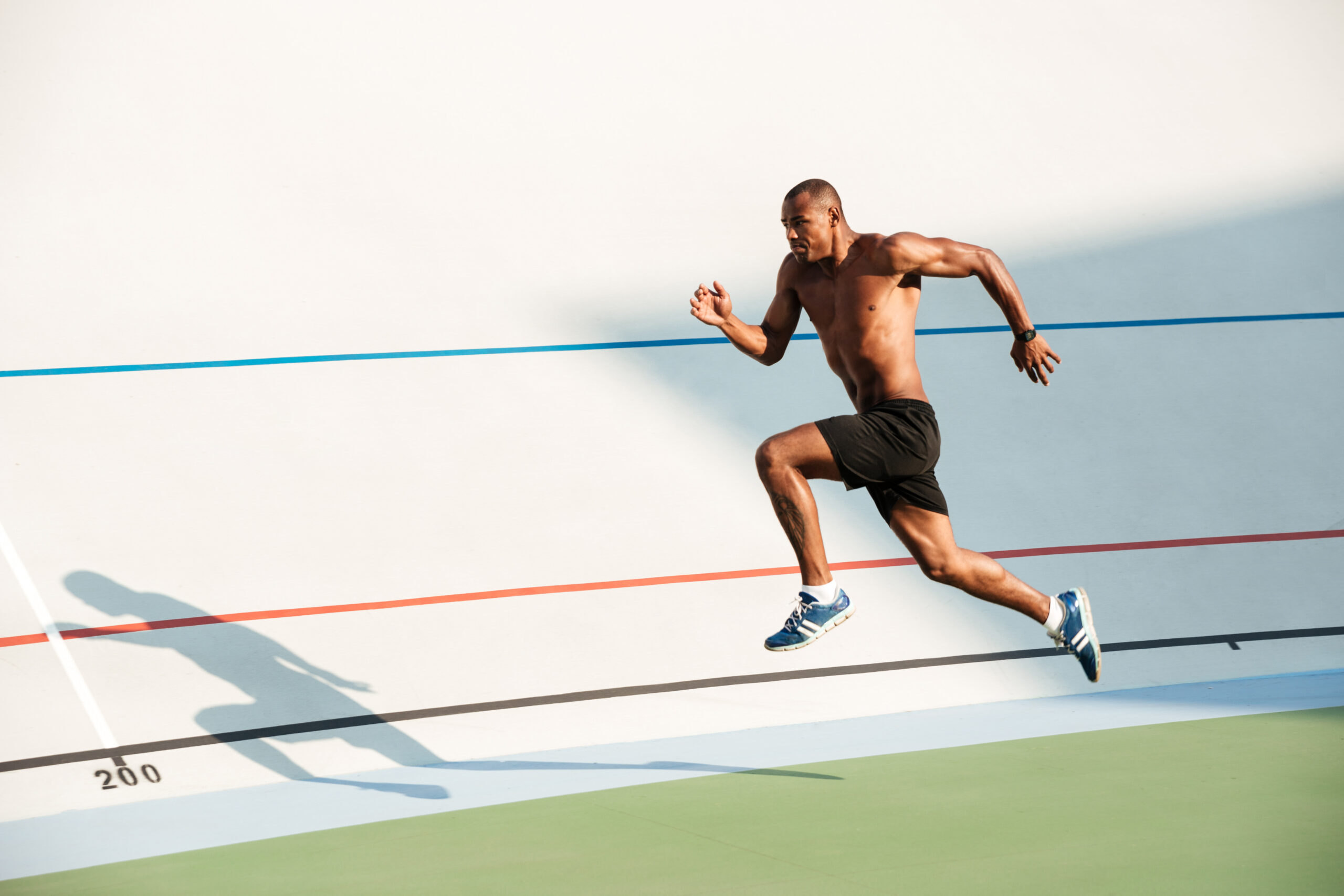

RUNNN / CONDITIONS CHANGE / THE PLAN CHANGES

Know your sweat.
Read the day.
Drink with purpose.

Hydration is not a fixed number copied from someone else's bottle. The useful plan is the one that reflects your sweat rate, your weather, your duration and your next session.

A PRACTICAL RUNNER'S FRAMEWORK

Before.
During.
After.

01

Start euhydrated.

Drink normally across the day. Correct a known deficit early enough that your body has time to absorb fluid and normalise urine output before you start.

02

Know your sweat rate.

Use before-and-after body mass plus fluid intake on representative training runs. Repeat in different conditions rather than treating one number as permanent.

03

Drink to the session.

Short cool runs may need little more than normal thirst. Long, hot or high-sweat sessions may need a more deliberate fluid and electrolyte plan.

04

Replace what remains.

After the run, use the measured deficit and the time until your next session to decide whether normal food and fluid are enough or whether faster rehydration is useful.

WHAT SHOULD YOU DRINK?

Use the drink
for the job.

The best fluid depends on what the run asks you to replace. Water, sports drink and electrolyte products all have different roles. The point is not to make every run more complicated than it needs to be.

01 / Water

Simple.

Often enough for shorter sessions, particularly in mild conditions when you begin normally hydrated and do not have large sweat losses.

02 / Sports drink

Fluid + fuel.

Useful when you want hydration, carbohydrate and some electrolytes together during longer or harder running.

03 / Electrolyte drink

Target losses.

Can suit high sweat losses, salty sweaters or rapid rehydration when fluid and electrolytes are the priority rather than carbohydrate.

04 / Food + fluid

Recover.

After training, normal meals plus fluid can restore both water and sodium when there is enough time before the next session.

RUNNN / 03 / HYDRATE

Hydration has
a stage.

HYPERHYDRATE is the hydration stage inside the RUNNN system and is presented in the supplied product material as an electrolyte blend in a portable stick format. The final production label should determine exact serving size, mixing directions, electrolyte quantities and use instructions.

This article does not assume sodium, potassium, magnesium or serving quantities for HYPERHYDRATE until the approved final formulation is published.

QUICK QUESTIONS

Hydration
FAQ.

No. Many short runs in mild conditions can be managed with normal pre-run hydration and water according to thirst. Electrolyte products become more relevant when exercise is prolonged, sweat losses are high, the weather is hot, you are a salty sweater, or rapid rehydration is needed.

There is no single safe number for everyone. Use your sweat rate, conditions, duration and tolerance. If you do not know your sweat rate, drinking to thirst is a sensible safety strategy. Avoid gaining body mass during exercise from excessive fluid intake.

Urine colour is a useful cue, not a perfect diagnosis. Thirst, recent fluid intake, supplements and first-morning urine can all affect colour. Use several cues together, and use body-mass change around representative runs when you want a more practical exercise-specific measure.

Yes. Overdrinking can contribute to exercise-associated hyponatremia. Drinking enough to gain body mass during the event is a warning sign that intake is exceeding losses. Electrolytes do not remove the risk if total fluid intake is excessive.

Estimate the remaining fluid deficit from body mass. When rapid recovery is needed, AIS guidance suggests roughly 1.2–1.5 times that deficit over 2–4 hours, with sodium from food or an appropriate drink to improve retention. If you have plenty of recovery time, normal food and fluid may be enough.

EVIDENCE BASE

Sources &
further reading.

National Athletic Trainers' Association — Fluid Replacement for the Physically ActiveIndividualised hydration, sweat-rate calculation, limiting excessive fluid deficits and avoiding overdrinking.
Open source →
American College of Sports Medicine — Exercise and Fluid ReplacementPre-exercise hydration, customised fluid replacement, body-mass loss and post-exercise restoration principles.
Open source →
AIS / Australian Sports Commission — HydrationCurrent Australian athlete education on choosing fluids and planning hydration before, during and after exercise.
Open source →
AIS — Sports DrinksRole of sports drinks in combining fluid, carbohydrate and electrolytes around exercise.
Open source →
AIS — Electrolyte Replacement SupplementsWhen targeted electrolyte replacement may be useful and current post-exercise rehydration guidance.
Open source →
Third International Exercise-Associated Hyponatremia Consensus StatementOverdrinking, thirst-guided intake and prevention of dilutional hyponatremia during prolonged exercise.
Open source →
General information only. This article provides general sports hydration education, not individual medical or dietetic advice. Fluid and electrolyte needs vary with body size, sweat rate, climate, event duration, training status, medications and health conditions. Runners with kidney, heart or endocrine conditions, a history of hyponatremia or heat illness, pregnancy, recurrent fainting, significant gastrointestinal illness or other medical considerations should seek individual advice from an appropriately qualified health professional or accredited sports dietitian.